
Congress Slams Modi Govt for Misrepresenting Poverty Data, Cites 28.1% Rate in World Bank Report
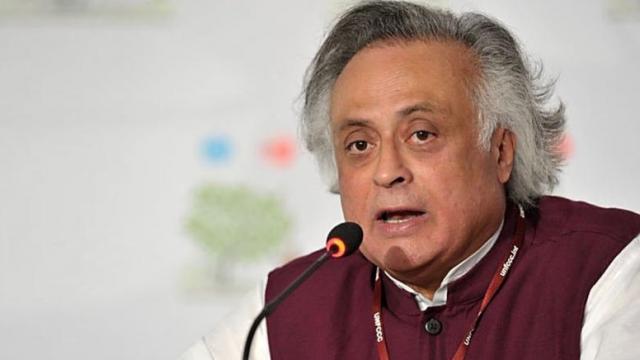
On July 6, 2025, Congress leader and AICC General Secretary (Communications) Jairam Ramesh issued a strong statement criticizing the Modi government’s interpretation of the World Bank’s Poverty and Equity Brief for India, originally released in April 2025. He accused the government of attempting to mislead the public by selectively highlighting parts of the report to falsely claim that India ranks among the most equal societies in the world. Citing the report, he noted that poverty and inequality in the country remain deeply concerning. One of the most striking findings is that the top 10% of India’s earners make 13 times more than the bottom 10%, based on 2023-24 data. Moreover, changes in the government’s survey methodology and sampling in the Household Consumption Expenditure Survey 2022–23 have further obscured the actual extent of poverty, making year-on-year comparisons unreliable. According to the World Bank, if India is assessed using the internationally accepted poverty line of $3.65 per day applicable for lower-middle-income countries — the poverty rate in 2022 stands at 28.1%. Congress pointed out that such a high rate makes it indefensible for India to claim status as one of the world’s most equal societies. Ramesh further alleged that the Modi government has consistently suppressed data, particularly recalling how the earlier 2017–18 consumption survey was discarded because it revealed declining rural consumption. He argued that such suppression, along with outdated benchmarks and unreliable official statistics, contributes to the government’s attempts to understate poverty levels. The Congress party also reiterated policy suggestions made in April, emphasizing that large sections of India’s population remain just above the international poverty line and are extremely vulnerable to economic shocks. Social welfare programs like MGNREGA and the National Food Security Act, 2013 should be strengthened, not sidelined. The party also demanded an increase in MGNREGA wages, urgent completion of the delayed decadal population census (now expected in 2027), and inclusion of 100 million additional citizens under the food security scheme. Moreover, the party criticized the government for not updating the national poverty line since the Rangarajan Committee report in 2014, calling for immediate action to rectify this gap. Finally, the Congress statement argued that rising inequality is no longer incidental but is now embedded in India’s economic growth trajectory, exacerbated by the Modi government’s policies. It highlighted the growing divide between a small, privileged elite and a vast, dispossessed population. To address this, Congress called for comprehensive tax reforms to end the regressive impact of GST, reduce tax-related harassment, curb corporate favoritism, and provide direct support for families and incentives for household savings.
Mayor Sabotages MCD Committee Elections to Centralize Power, Ankush Narang
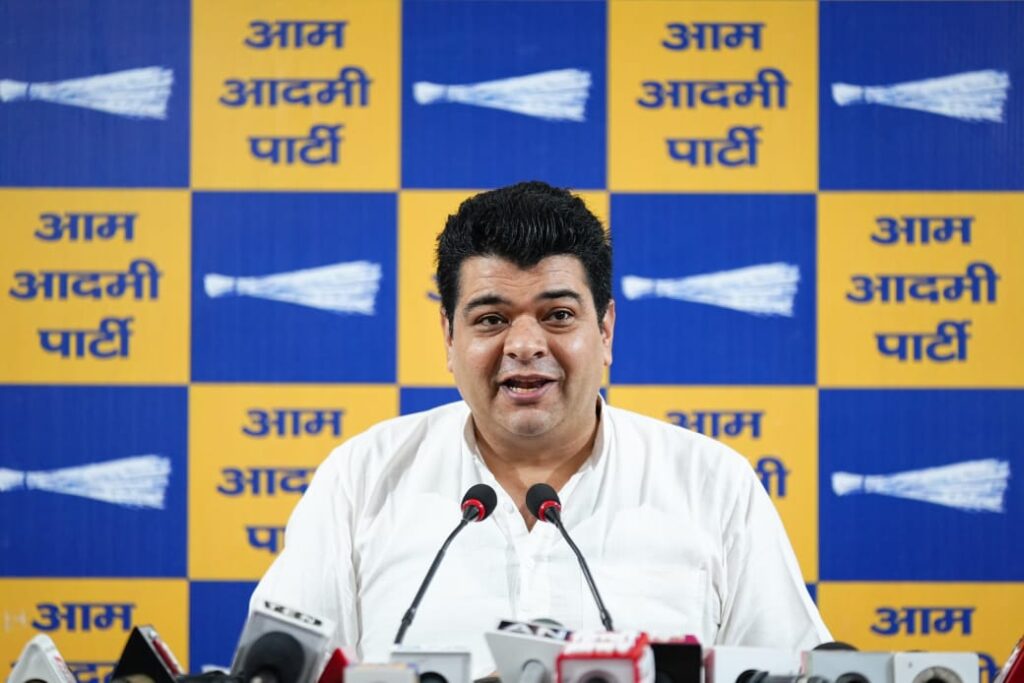
The Aam Aadmi Party (AAP) has launched a scathing attack on BJP Mayor Raja Iqbal Singh for abruptly cancelling the elections for the Special and Ad-hoc Committees in the Municipal Corporation of Delhi (MCD). Leader of Opposition in the House, Ankush Narang, condemned the move, calling it a calculated attempt to hoard all authority and block the democratic functioning of the municipal body. Elections Cancelled a Day Before DeadlineNarang pointed out that while nominations for the committee elections were scheduled to remain open until July 3, Mayor Singh unexpectedly cancelled the process on July 2 by issuing a notice through letter number 358/MS/MCD/2025. He called this a clear act of sabotage aimed at stalling the formation of crucial committees and denying representation to elected councillors. Pattern of Obstruction by BJP: 2.5 Years of ChaosDrawing attention to BJP’s past actions, Narang stated that during AAP’s tenure in power, the BJP had also disrupted the functioning of the MCD by delaying the formation of the Standing Committee for over two and a half years. He reminded that despite a High Court directive mandating the elections, BJP created roadblocks, resulting in historic scenes where municipal councillors waited all night for a vote that never took place. BJP’s Intent to Paralyse GovernanceAnkush Narang criticized the BJP for acting as a “destructive force” in MCD, stating that the party has never shown genuine interest in addressing the issues of Delhiites. He accused BJP of consistently undermining the House proceedings, delaying decision-making, and sabotaging administrative processes purely for political gain. Centralization of Power Sparks Internal DiscontentHe further claimed that Mayor Raja Iqbal Singh’s insistence on controlling all powers has caused unrest within the BJP itself. According to Narang, several members of the BJP are now voicing opposition to the Mayor’s autocratic style and are demanding transparency and equal distribution of responsibilities. There is growing consensus, he added, that Singh should not be allowed to head any future committees. From Opposition to Constructive ContributorHighlighting AAP’s role, Narang said that even after transitioning to the opposition, AAP maintained a constructive approach and facilitated the eventual constitution of the Standing Committee in compliance with legal procedures. This, he said, stands in stark contrast to the BJP’s continuous efforts to paralyze governance at the municipal level. Past Misconduct and Disruption by BJPNarang recalled the events surrounding the Mayor’s election, alleging that BJP leaders, including the now Chief Minister Rekha Gupta, then a councillor, attempted to derail the process by disrupting proceedings and damaging equipment. “She herself was caught breaking the microphone on the day of the Mayor’s election and declared that the election would not be allowed to proceed,” Narang stated. Grave Injustice to Delhi’s CitizensConcluding his statement, Ankush Narang asserted that these actions by the BJP, and particularly by Mayor Raja Iqbal Singh, amount to a serious betrayal of the public trust. “This is not just political misconduct; it is a grave injustice to the people of Delhi who deserve functional governance and transparent administration,” he said.
AAP Spokesperson Priyanka Kakkar Named Co-President of BRICS CCI Women’s Wing for 2025–27, Priyanka Kakkar to Lead Global Women’s Empowerment Initiatives Through BRICS Platform
In a major achievement highlighting Aam Aadmi Party’s growing international footprint, Chief Spokesperson Priyanka Kakkar has been appointed Co-President of the Women’s Wing of the BRICS Chamber of Commerce and Industry (BRICS CCI) for the 2025–2027 term. The BRICS CCI, a not-for-profit institution promoting economic cooperation among BRICS+ nations including Brazil, Russia, India, China, South Africa, Iran, Egypt, UAE, Ethiopia, and Indonesiaselected Kakkar for her strong leadership credentials and dedication to empowering women. In its official communication, BRICS CCI acknowledged her outstanding contributions and stated“Your exceptional leadership, commitment to inclusivity, and dedication to the cause of women’s advancement make you the perfect choice for this position. As Co-President, you will play a vital role in shaping strategic initiatives, mentoring aspiring women leaders, and furthering our mission to create a more inclusive and opportunity-rich environment across BRICS nations.” The organization emphasized that the appointment will run from 2025 to 2027 and expressed confidence in her ability to enhance the Women’s Wing’s reach and impact. Over the years, BRICS CCI has seen significant growth, expanding its network, launching new country chapters, and building global partnerships across industries. Priyanka Kakkar’s appointment is not only a personal milestone but also a proud moment for the Aam Aadmi Party, marking its representation at one of the world’s foremost multilateral economic forums.
Multi-Party Delegation Raises Alarm Over Bihar Electoral Roll Revision, Alleges Risk of Mass Voter Exclusion and Lack of Transparency
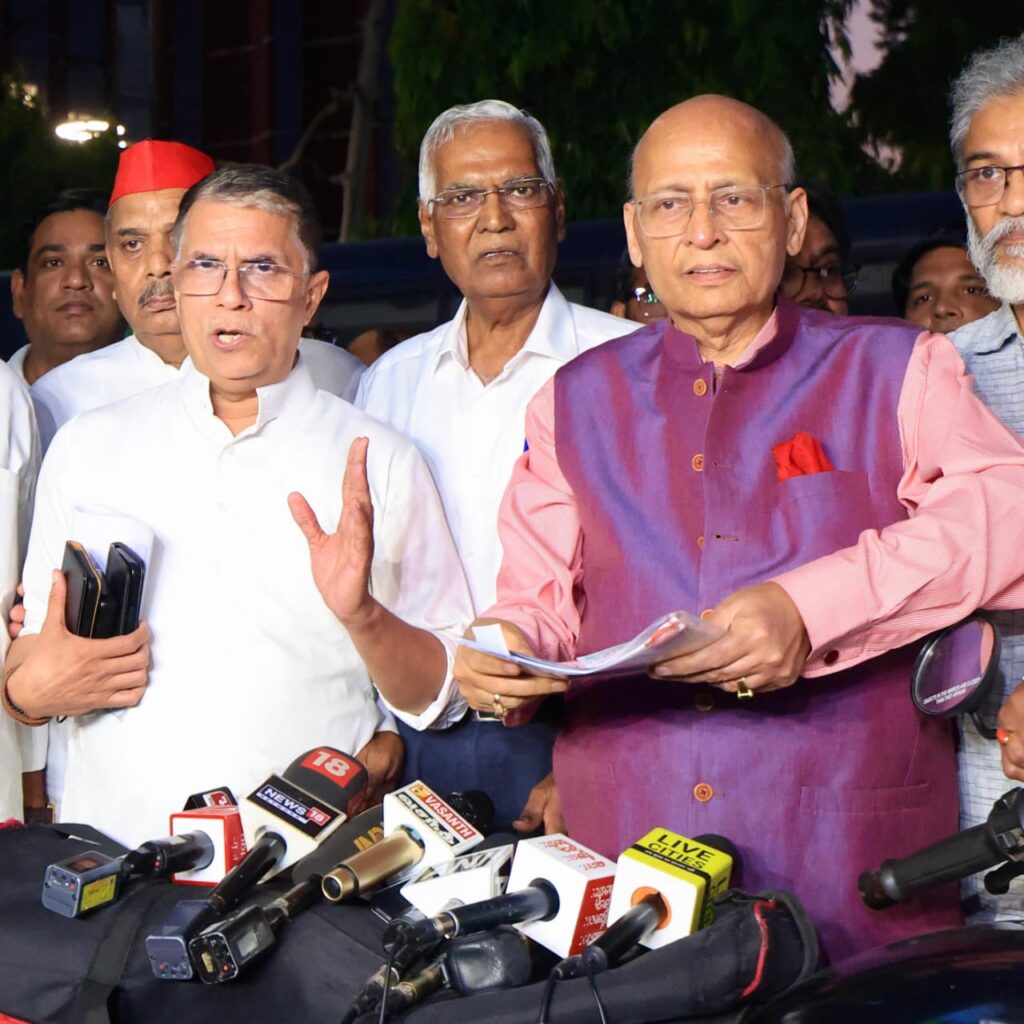
On June 24, 2025, the Election Commission of India (ECI) issued a notification announcing a Special Intensive Revision (SIR) of the electoral rolls in Bihar, ahead of the upcoming state assembly elections. The revision aims to conduct in-person verification of every household in the state and to re-register eligible voters after checking their identity and supporting documents. According to the ECI plan, the existing electoral rolls will be discarded entirely and replaced with a fresh roll. Concerns Over Deletion of Genuine VotersThere is a strong apprehension that the methods, timeline, and procedures involved in this SIR could lead to the exclusion of large numbers of legitimate voters particularly those belonging to marginalized communities. Such a mass deletion would have a serious impact on democratic participation in the upcoming elections.Arbitrary Documentation RequirementsThe Commission has imposed complicated and excessive documentation rules, demanding voters submit their own and their parents’ birth certificates based on their year of birth. These stipulations are not only arbitrary and inconsistent but also impose a heavy burden on Bihar’s 8.1 crore projected eligible voters (as per Ministry of Health & Family Welfare, 2019 data). Ambiguity in Exemption Criteria and VerificationAlthough a subsequent Press Note dated 30th June 2025 attempted to clarify some aspects, major concerns remain unresolvedespecially for those not covered in the 2003 voter list revision. The ECI appears to exempt individuals whose names existed in the 2003 rolls from re-registration, while requiring others to start afresh. This classification lacks transparency and legal justification. Additionally, there is no clarity on how the ECI verifies whether someone has married, changed their name, or shifted residence since 2003. Furthermore, statements about a fixed number of voters needing re-verification lack verifiable data, raising doubts about their accuracy and intent. Risk of Misuse and Voter DisenfranchisementThe SIR, presented as a corrective mechanism, effectively transfers authority to government officials who will now decide the validity of voters’ documents. This creates room for misuse and selective inclusion or exclusion of voters. It opens the door to systemic voter disenfranchisement through administrative discretion. Lack of Stakeholder ConsultationGiven the significance of this revision exercise, it is essential that the ECI had undertaken consultations with all major political parties and stakeholders before announcing the SIR. Initiating such a large-scale operation without inclusive dialogue raises serious concerns about transparency, procedural fairness, and democratic accountability. Established Legal Rights of Voters Ignored As per the Representation of the People Act, 1950, any Indian citizen aged 18 or above and residing at an address under any of the country’s 19,300-odd postal PIN codes is entitled to voter registration. The current SIR process appears to sidestep this basic statutory right, placing unlawful and unclear restrictions on voter inclusion. Lack of Legal Clarity in Birth Certificate RequirementIt is uncertain under which statutory or regulatory provision the ECI is making it mandatory to submit parental birth certificates as a precondition for enrolment. No legal basis or rational justification has been clearly provided for this demand, making the process opaque and exclusionary.
Statement by Shri Rahul Gandhi, On 8 Years of GST, A Broken Promise to India
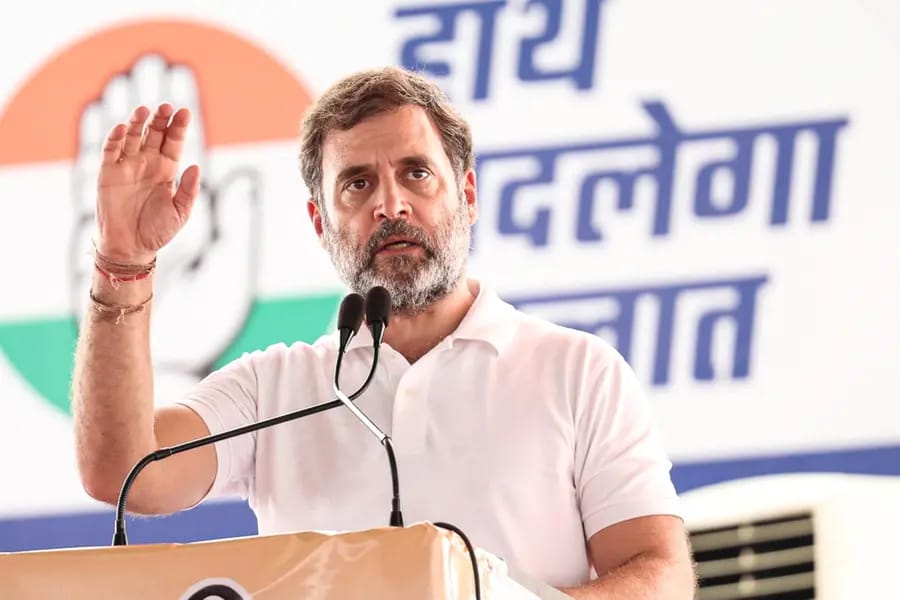
Eight years since its implementation, the Modi government’s Goods and Services Tax (GST) has proven to be less a reform and more a burden — especially on small businesses, the working class, and non-BJP ruled states. Shri Rahul Gandhi strongly criticized the current GST structure, calling it a tool of “economic injustice and corporate favoritism” rather than the “Good and Simple Tax” that was promised. Five Slabs, 900+ AmendmentsInstead of delivering simplicity, GST has evolved into a confusing five-slab tax regime that has been amended over 900 times. Everyday items like caramel popcorn and cream buns are ensnared in its convoluted structure. The result is a system riddled with inconsistencies and complexity. Small Businesses Struggle, Big Corporates ThriveRahul Gandhi emphasized how GST has tilted the playing field in favor of large corporations. Equipped with legal teams and accountants, big businesses maneuver through the red tape, while micro, small, and medium enterprises (MSMEs) the backbone of India’s job market are stifled by compliance hurdles and a rigid bureaucratic system. MSMEs in CrisisSince GST’s rollout, over 18 lakh small enterprises have reportedly shut down — a staggering indicator of how deeply the tax regime has affected job creators and entrepreneurs. The GST portal, instead of offering ease, has become a daily source of stress and obstacles for small traders. Tax on Essentials, Relief for CorporatesCommon citizens are now paying GST on basic necessities like tea and health insurance. In contrast, large corporations continue to enjoy tax exemptions and benefits estimated at over ₹1 lakh crore each year. This imbalance highlights a widening gap between the privileged few and the rest of the population.Exclusion of Fuel and Federal DisrespectThe deliberate decision to exclude petrol and diesel from GST has hurt sectors like agriculture and transport. Moreover, the withholding of GST compensation to non-BJP governed states has exposed the central government’s disregard for cooperative federalism. A Vision UnderminedRahul Gandhi reminded the nation that GST was initially envisioned by the UPA as a progressive step to unify markets and simplify taxation. However, that vision has been derailed by flawed implementation, centralized control, and political bias. Call for ReformHe concluded by calling for a complete overhaul of the GST structure one that is inclusive, supportive of small businesses, and respectful of state autonomy. India, he asserted, needs a tax system that empowers every citizen from farmers to shopkeepers — and ensures that all Indians share in the nation’s economic growth.
Delhi BJP President Virendra Sachdeva Slams AAP’s Slum Rally as Political Gimmick
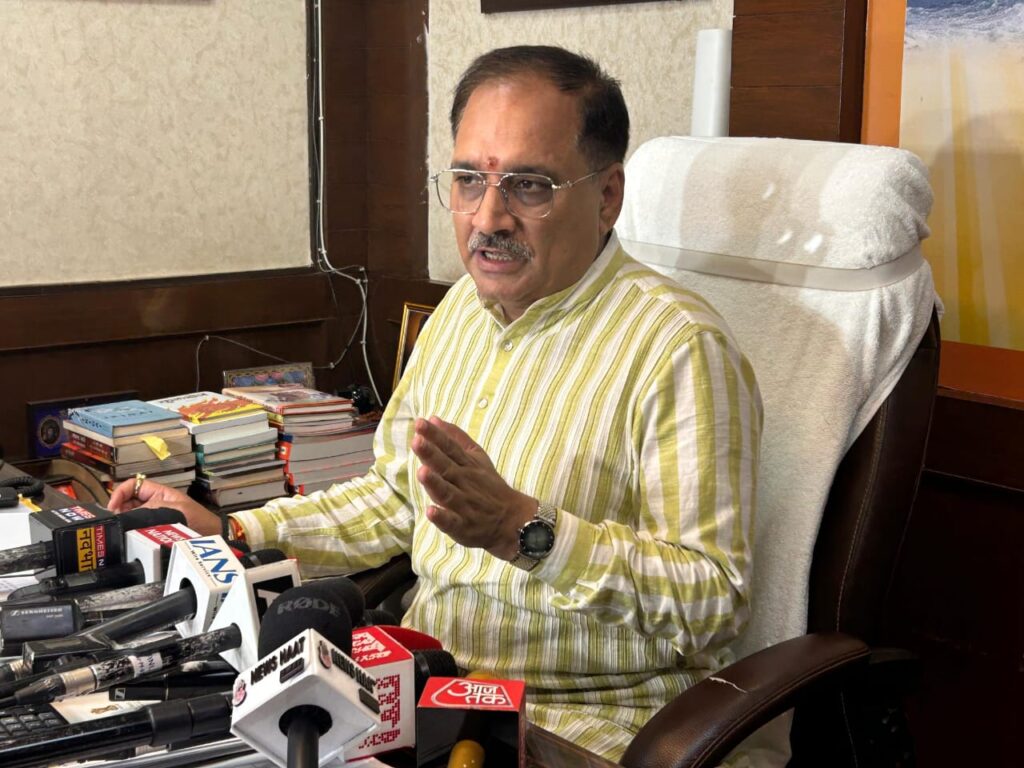
AAP’s Rally Lacks Public Support, Says BJPNew Delhi, June 29 – Delhi BJP President Virendra Sachdeva criticized the Aam Aadmi Party’s (AAP) rally held in the name of slum residents, calling it a complete failure. He stated that when AAP leaders addressed the crowd, their “anarchic and unconstitutional mindset” was once again on display. Slum Dwellers Reject AAP’s “False Campaign”Sachdeva said AAP had been running a misleading campaign for nearly a month, but the people living in Delhi’s slums have now started questioning the party’s track record. “What has AAP done in the last ten years for slum dwellers?” they are asking. Kejriwal Accused of Double StandardsCriticizing Chief Minister Arvind Kejriwal, Sachdeva said, “Today, Kejriwal is pretending to care for the urban poor, but during the COVID crisis, his government forced these very people to return to their villages instead of protecting them.” He added that while the poor still struggle for housing in areas like Narela and Bawana, Kejriwal has built a luxurious “Sheeshmahal” for himself. Serious Allegation of Inciting ViolenceSachdeva also alleged that AAP leaders, including Kejriwal and Gopal Rai, had previously provoked party workers to march toward the Prime Minister’s residence in the name of slum residents. He said such actions reveal the “Naxal-like” tendencies of AAP leadership, warning that their “radical language has no place in civil society.” BJP Reaffirms Commitment to Slum RehabilitationHighlighting BJP’s efforts toward slum resettlement, Sachdeva said the party is determined to improve living conditions for people residing near drains and railway tracks. He cited successful rehabilitation projects in areas like Kalka Ji, Jailorwala Bagh, Kalandar Colony, and Kathputli Colony. “Through the ‘Jahan Jhuggi Wahan Makan’ initiative, we will continue to provide proper housing and a better future to slum residents,” he concluded.
Zumba Program in Kerala Schools Sparks Controversy, Muslim Groups Raise Objections, Government Introduces Zumba to Promote Physical Health and Anti-Drug Awareness

The Kerala Education Department has introduced Zumba sessions in government schools as part of its anti-drug campaign aimed at improving students’ mental and physical health. A video of students from Thanbeehul Islam Higher Secondary School in Kasaragod participating in a Zumba session went viral after Education Minister V. Sivankutty shared it on his official Facebook page. The video showed students performing Zumba in their school uniforms, highlighting the government’s initiative to engage children in healthy activities. Muslim Organizations Oppose, Cite Moral and Religious ConcernsSeveral Muslimorganizations have strongly objected to the initiative, alleging it violates Islamic moral values. TK Ashraf, General Secretary of the Wisdom Islamic Organization, publicly stated on Facebook that he disapproves of the program and will not allow his son to participate. Nasar Faizi Koodathayi, a prominent leader from the influential Muslim body Samastha, described the program as an infringement on students’ personal freedom and an attempt to “enforce vulgarity.” He claimed the government is “forcing children to dance in minimal clothing,” which he said is against the fundamental rights of students whose moral values oppose such practices. Education Minister Defends the ProgramIn response, Education Minister V. Sivankutty firmly defended the program, calling the objections more toxic than drug abuse itself. He clarified that no student is being asked to wear inappropriate clothing, and all performances are taking place in school uniforms. He stressed the importance of allowing children to play, laugh, and grow up happy and healthy, and said that such initiatives are part of a holistic educational approach. Participation Mandatory Under RTE ActThe minister also pointed out that, under the Right to Education (RTE) Act, students are required to participate in government-mandated educational activities, and parents do not have the option to opt their children out of such programs.
Congress Slams BJP over Delay in OBC Reservation Implementation, Warns of Public Agitation
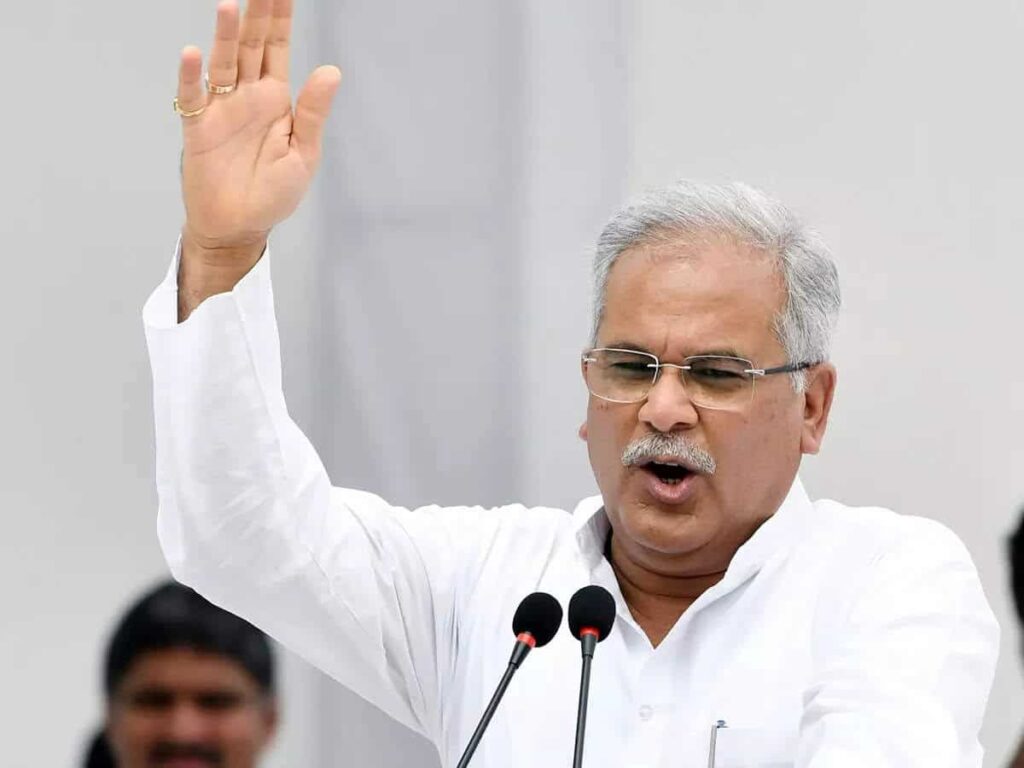
In Madhya Pradesh, the Congress party has launched a scathing attack on the BJP-led state government over the delay in implementing 27% reservation for the Other Backward Classes (OBC). Senior Congress leaders Bhupesh Baghel, Harish Chaudhary, Jitu Patwari, and Anil Jaihind jointly accused the BJP of deliberately depriving the OBC community of their constitutional rights. Bhupesh Baghel stated that this issue is not just about reservation—it is about social justice, equality, and the very spirit of the Constitution. He questioned why the state government remains silent even after the Supreme Court has validated the 27% reservation, suggesting it does not intend to grant the OBC community their rightful share. Harish Chaudhary, who is also the Congress in-charge for Madhya Pradesh, recalled that in 1994, then Chief Minister Digvijaya Singh granted 14% reservation to the OBCs, which was later increased to 27% in 2003. When the Congress returned to power in 2019 under Kamal Nath, the government issued an ordinance and passed it in the Assembly to implement the reservation. However, the BJP government shelved it after coming back to power. Jitu Patwari sharply criticized the BJP for misleading OBC students for years, with recruitment halted and competitive exams stalled, all under the pretext of pending court matters—even though the Supreme Court, on January 28, 2025, clearly ruled that 27% reservation is valid and should be enforced without delay. Anil Jaihind questioned the BJP’s intent, claiming the party neither believes in social justice nor in equality. He said the BJP’s consistent stance has been to suppress the backward, Dalit, and marginalized communities. Despite two clear observations from the Supreme Court, the government is still avoiding implementation, he added. The Congress outlined four key demands: immediate enforcement of 27% OBC reservation, prompt recruitment of pending candidates, disbursement of back wages to eligible individuals, and a public apology from Chief Minister Shivraj Singh Chouhan and Minister Mohan Yadav to the people of the state. Congress leaders further alleged that the BJP’s continued delay reveals its insensitivity and lack of commitment toward the OBC community. The party has declared that this fight will not stop and that it will continue to raise its voice for the rights of the backward classes across every platform. The Congress also warned the BJP that if the reservation is not implemented soon, a statewide public movement will be launched. “When the Constitution guarantees equal rights to all, why is the OBC community still being denied their due?” the leaders asked.
Delhi BJP Mahila Morcha Organizes Mock Parliament at Maharashtra Sadan to Mark 50 Years of Emergency
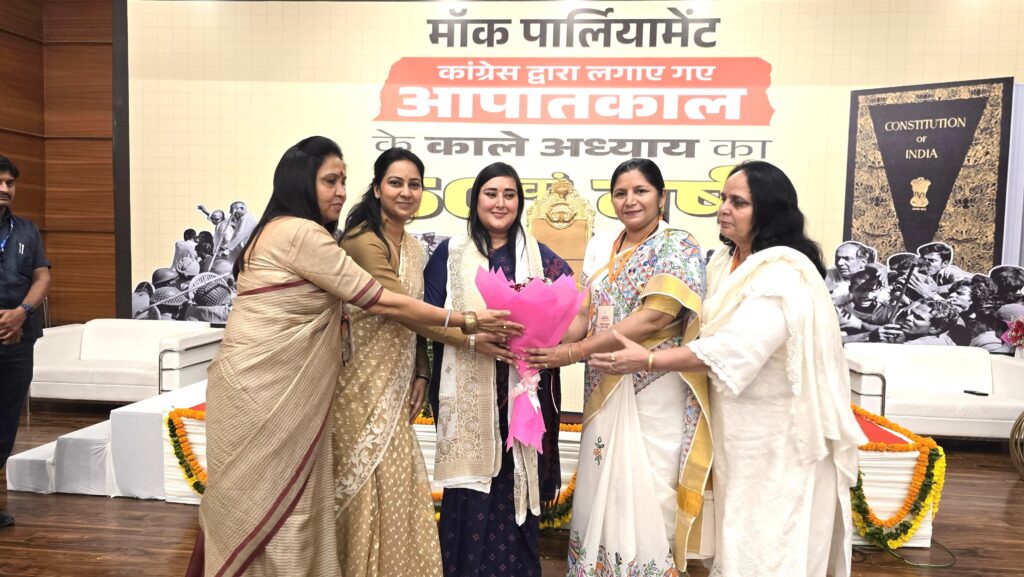
To commemorate the 50th anniversary of the imposition of Emergency in India, the Delhi BJP Mahila Morcha held a Mock Parliament session at Maharashtra Sadan. The event was addressed by Delhi Chief Minister Rekha Gupta and BJP MP Bansuri Swaraj. The session was organized under the leadership of Richa Pandey Mishra, President of the Delhi BJP Mahila Morcha. Emergency silenced dissent, suspended democracyAddressing the event, CM Rekha Gupta recalled the dark days of the Emergency and said, “At that time, anyone who dared to raise their voice against the government was imprisoned without appeal, without justification, and without legal recourse. The entire country was gripped by fear, and freedom of expression was stifled.” Gupta noted that names of dissenters were already marked in advance and many were jailed overnight. She also highlighted how the press was censored, newspapers were shut down, and everything functioned under the direct command of then Prime Minister Indira Gandhi. “Even film stars like Manoj Kumar were banned, and forced sterilization campaigns created a climate of terror,” she added. Gupta emphasized that it is essential to remember the Emergency not just as a historic event but as a reminder of how democracy and the Constitution were once trampled upon. “It is called a dark chapter because we must ensure it is never repeated. We must understand the role of the government and its duty to work in the interest of the people.” Modi government empowering women, unlike Emergency-era repressionHighlighting current achievements, Gupta praised Prime Minister Narendra Modi for introducing 33% reservation for women in Lok Sabha and state assemblies, calling it a strong step toward women’s empowerment. “In contrast, the Emergency was a selfish move to retain power. Today, under Modi’s leadership, citizens’ health, safety, and well-being are central to governance,” she stated. Congress misused Constitution, jailed voices of dissentBJP MP Bansuri Swaraj, while addressing the gathering, criticized the Congress party’s actions during the Emergency. She stated, “The Congress regime repeatedly amended the Constitution at will and imprisoned those who dared to speak in national interest, only to suppress opposition and public anger.” She recounted that during a time when India faced hunger, unemployment, and widespread discontent, the Congress leadership chose to impose Emergency simply to cling to power. “On the night of June 25, 1975, Indira Gandhi announced the Emergency via radio. It was a decision that crushed democracy, ignored constitutional norms, and strangled citizens’ rights,” she said. Swaraj also highlighted the significance of the 33% women’s reservation bill passed under PM Modi’s leadership, stating, “This is the last Lok Sabha where women are underrepresented. The next Lok Sabha will see women standing shoulder-to-shoulder with men in both numbers and influence.” Strong Participation by Women LeadersThe event witnessed participation from hundreds of women. Along with Richa Pandey Mishra, Delhi BJP Mahila Morcha General Secretary Priyal Bhardwaj, Sarita Tomar, and Vaishali Poddar were also present, demonstrating the strength and unity of the women’s wing. In her opening remarks, Richa Pandey Mishra stated that remembering the Emergency as a “Black Day” is crucial. “It is ironic that the same Congress party that once dismantled democracy and constitutional order now speaks of saving the Constitution and uniting India,” she said.
AAP MP Sanjay Singh Donates 51,000 for SMA-Affected Child’s Treatment, Urges Citizens to Support Fundraiser
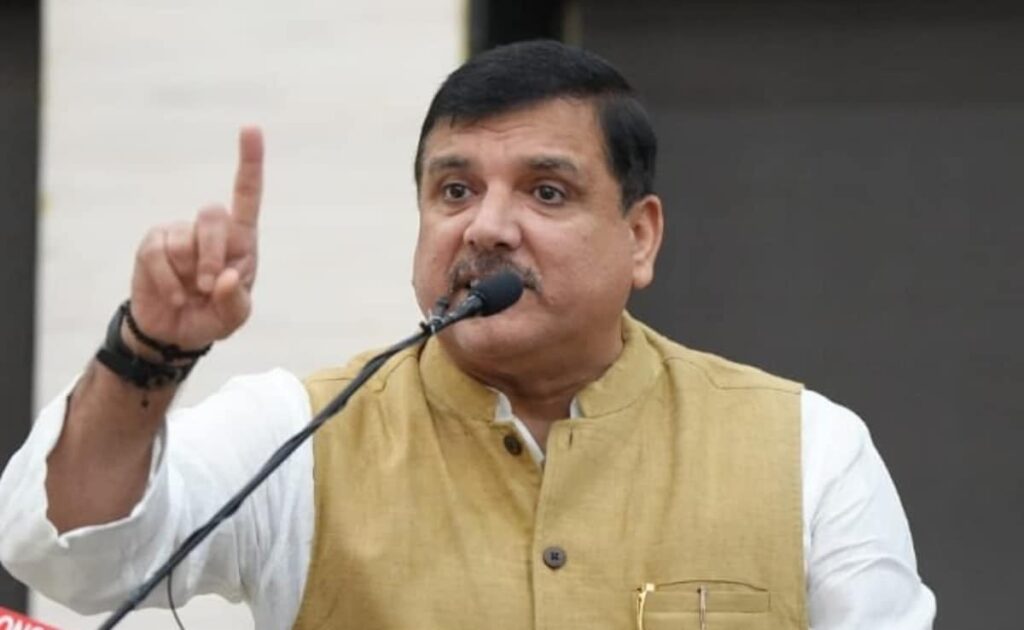
In a compassionate gesture, Aam Aadmi Party (AAP) Rajya Sabha MP Sanjay Singh has announced a donation of 51,000 from his salary to aid the treatment of eight-month-old Yuvansh, who is battling Spinal Muscular Atrophy (SMA) Type-1, a rare and life-threatening disease. Singh also made an emotional appeal to the nation, calling upon the Prime Minister, Health Minister, political leaders, organisations, and citizens to come forward and contribute generously. 14.5 Crore Injection Needed to Save Infant’s LifeYuvansh, son of a Haryana Police constable, urgently needs a 14.5 crore injectionthe only known treatment that can save his life. The rare disorder affects motor neurons, leading to muscle wasting and, without treatment, can be fatal within two to three years. “The injection is extremely expensive, and the child’s parents cannot afford this amount on their own,” said Sanjay Singh. “Even if they sell all their assets, it’s beyond their reach. That’s why I’ve raised this issue in Parliament and am appealing to the people of India to help.” Donations Being Collected via Impact Guru PlatformSanjay Singh informed that the fundraising campaign is being managed through the crowdfunding platform Impact Guru, where people can contribute directly. A QR code and bank details have also been made available for convenient donations. “With 144 crore people in this country, it should not be impossible to save the life of one innocent child. This isn’t just an injection—it is this baby’s only hope for survival,” he said. Appeal to Police Forces, Religious Bodies, and Public InstitutionsSingh lauded the Haryana Police for taking the lead in the initiative. “The Director General of Police has requested every police personnel to donate a day’s salary towards the treatment. This is a commendable step,” he said, urging police departments in other states to follow suit. He also appealed to social and religious organisations to support the cause and requested the media to give it extensive coverage so that more people are informed and motivated to help. Clock Is Ticking: Urgency HighlightedStressing the critical nature of the situation, Singh noted that time is running out. “Doctors have warned that without the injection, the child will not survive beyond two-and-a-half years. Every moment counts,” he said. “On June 30, I will contribute ₹51,000 from my salary, and I urge others to donate whatever they can.” Heartfelt Plea from the Child’s ParentsYuvansh’s father, Rajesh Kumar, who serves in the Haryana Police, expressed deep gratitude to those already helping and appealed for further support. “Please help save my child’s life. With your contributions, he can live and grow up with hope,” he said.Yuvansh’s mother also requested the public to come forward in large numbers and donate for their baby’s survival. How to ContributeDonations are being accepted through Impact Guru, where contributors can scan the provided QR code or use bank details to transfer funds. The campaign aims to raise the entire amount required for the life-saving injection in the shortest possible time.
